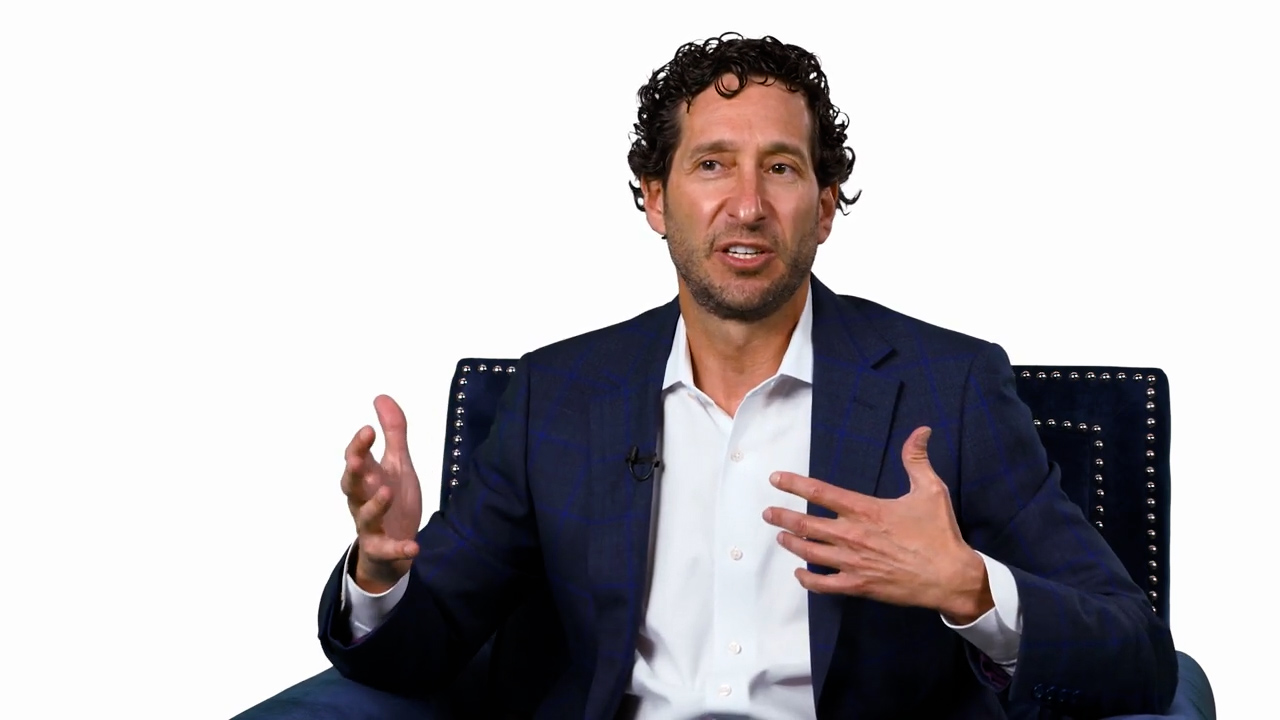
Psychiatrist shares treatment approaches for conditions such as bipolar disorder, ADHD, autism and others
Nevada Mental Health Co-founder, Sid Khurana, recently appeared on the “Watching Mental Health” podcast, hosted by Katie Rose Waechter. The episode, titled “Mental Health Treatment for Lifelong Psychiatric Conditions,” covered treatment options and strategies for lifetime conditions, such as bipolar disorder, autism, ADHD, as well as other mood and anxiety disorders.
Khurana has practiced in Nevada for the past 11 years. “I really wanted to be in a community where I could make a difference,” he said when discussing his decision to move to Las Vegas.
In the podcast, the expert outlined the differences between a single-episode condition and episodic or nonepisodic conditions. For some, a single episode of depression, for example, can be overcome with treatment. Lifelong episodic conditions such as bipolar disorder, however, require consistent treatment to avoid future manic or depressive episodes.
“If you have bipolar disorder, the question is not if but when the next episode will come,” he explained. “Just like seizure disorders, the brain finds it easier next time to seize. It’s the same thing with being manic or psychotic in bipolar disorder. Once the brain knows how to get there, each time is easier. We call it the kindling mechanism in the brain. The goal with these patients is to not let that next episode happen.”
ADHD, on the other hand, is a lifelong nonepisodic condition. With it, the patients may require treatment, perhaps medication and talk therapy, to help them navigate situations, but a specific type of episode is not trying to be avoided altogether.
There are a number of therapies available for all lifelong psychiatric conditions, Khuruna emphasized. But first, a holistic assessment of the patient is needed, factoring in lifestyle, culture, family dynamics, medical history, and other elements. Treatment may include pharmacotherapies (medications); complementary therapies such as psychotherapy; interventional psychiatry, such as TMS (transcranial magnetic stimulation), or even newer discoveries like ketamine or psychedelics. In many cases, treatment involves several modalities, and new discoveries are constantly being tested.
“There are other new interventional treatments that are out there that we need to be open-minded about and critically appraise their evidence. Are they truly effective? if they are, for what kind of patients?” Khurana noted, “and as psychiatrists our job is then to incorporate those discussions in our visits, in our sessions, so our community, our patients, have that information available and can make informed decisions.”
To listen to the episode visit, https://www.youtube.com/watch?v=RPm3lQ2JRNo, and to learn more about Nevada Mental Health, visit NevadaMentalHealth.com.